- 1 |
- 2 |
- 3 |
- 4 |
- 5 |
- 6 |
- 7 |
- 8
Next Page
John Page Site
The John Page Site: Excavation of a Major House Site on the Bruton Heights Property
by David F. Muraca
In 1989, the Colonial Williamsburg Foundation acquired the Bruton Heights School
property on the outskirts of the Historic Area and began an ambitious construction
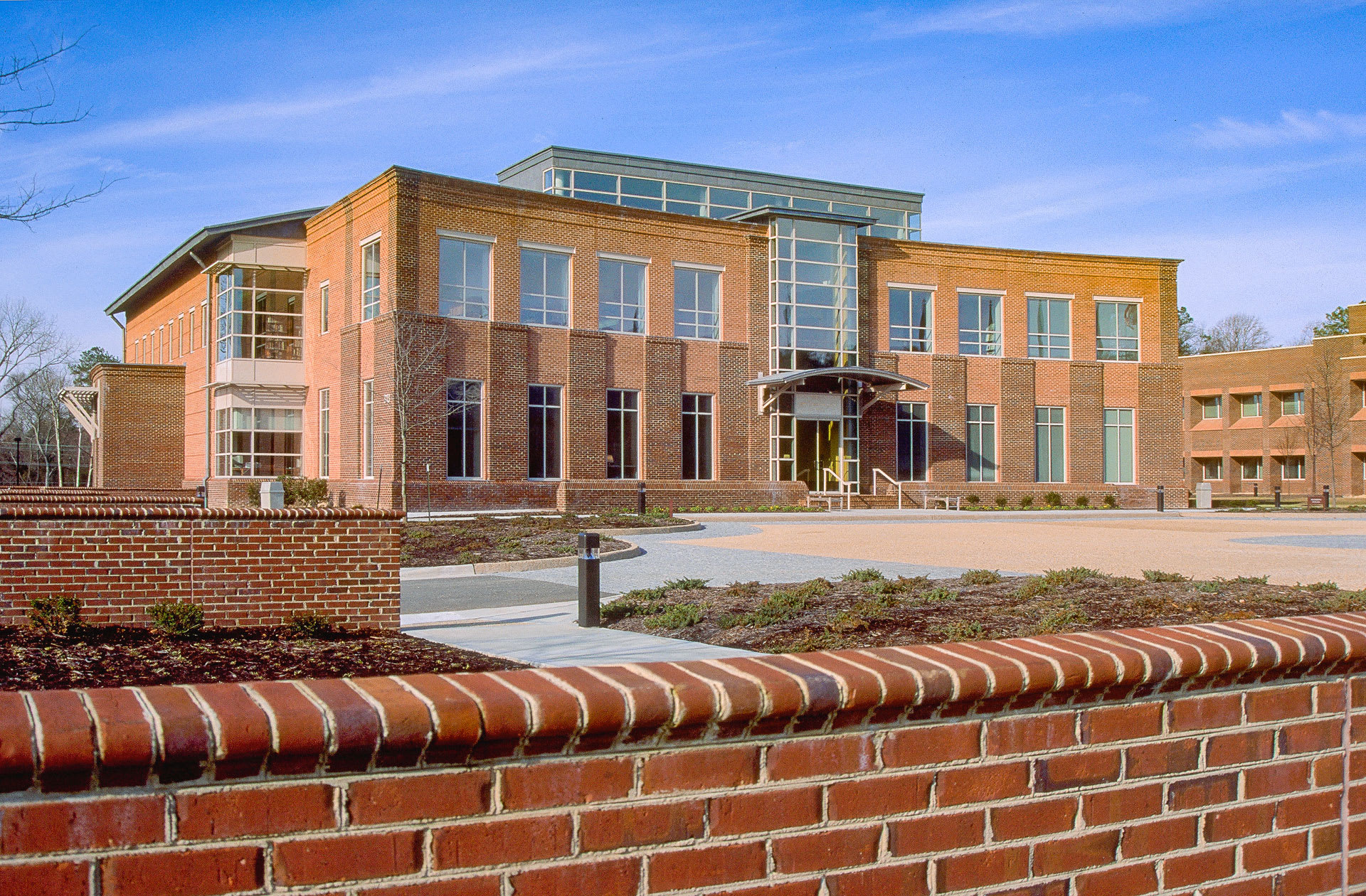
program culminating in the opening of the Bruton Heights School Education Center
(BHSEC) in 1997. Archaeological excavations on the property revealed one of the most
exciting archaeological sites yet discovered in Williamsburg—the seventeenth-century home and
property of wealthy planter and councilor John Page. The story below was taken from
the site’s archaeological report, "‘Upon the Palisado’ and Other Stories of Place from
Bruton Heights," by John Metz, Jennifer Jones, Dwayne Pickett, and David Muraca
(Colonial Williamsburg Research Publications, 1998).
Introduction
Location of the John Page House
and related archaeological features in relation to the modern
day Bruton Heights School Educational Center.
In the seventeenth century, Virginia was largely a collection of dispersed plantations and
small settlements founded in large part as a reaction to governmental decree and the
inducements offered by the government to ensure compliance with these decrees. One
such settlement, Middle Plantation, was established atop the ridge separating the
James and York Rivers, and its growth was encouraged by the construction of a wall,
or palisade, across the peninsula in 1634.
Middle Plantation represented the first major inland settlement for the
colony. It was established by an Act of Assembly in 1632/3 to provide a link
between Jamestown and Chiskiack, a settlement located across the Peninsula on the
York River. Government officials thought that this chain of settlements would create
a barrier against Indian attack by cutting off access from the north and thereby
protecting the plantations located on the lower Peninsula to the south. The
chain of settlements was bolstered by the construction of a palisade beginning near
the mouth of College Creek, a tributary of the James, and extending eastward six
miles across the Peninsula to Queens Creek, a tributary of the York. The palisade
was not purely a defensive wall; the English also used it to strengthen the position
of their settlement by expanding into the interior and laying claim to land where
the Powhatan Indians lived. It was an invasive strategy designed to establish a
physical, frontier barrier in order to affirm English ownership of the entire peninsula.
Next Page
|